Morning: Watch the shoots
Go back to the same areas. Compare their size, appearance and progression from the previous day; photograph the changes.
 Ceramyca
CHAPTER 21 / 23
All chaptersFrom the first pins to mature morels, monitor the bed, match watering to mushroom size and adjust protection as the weather changes.
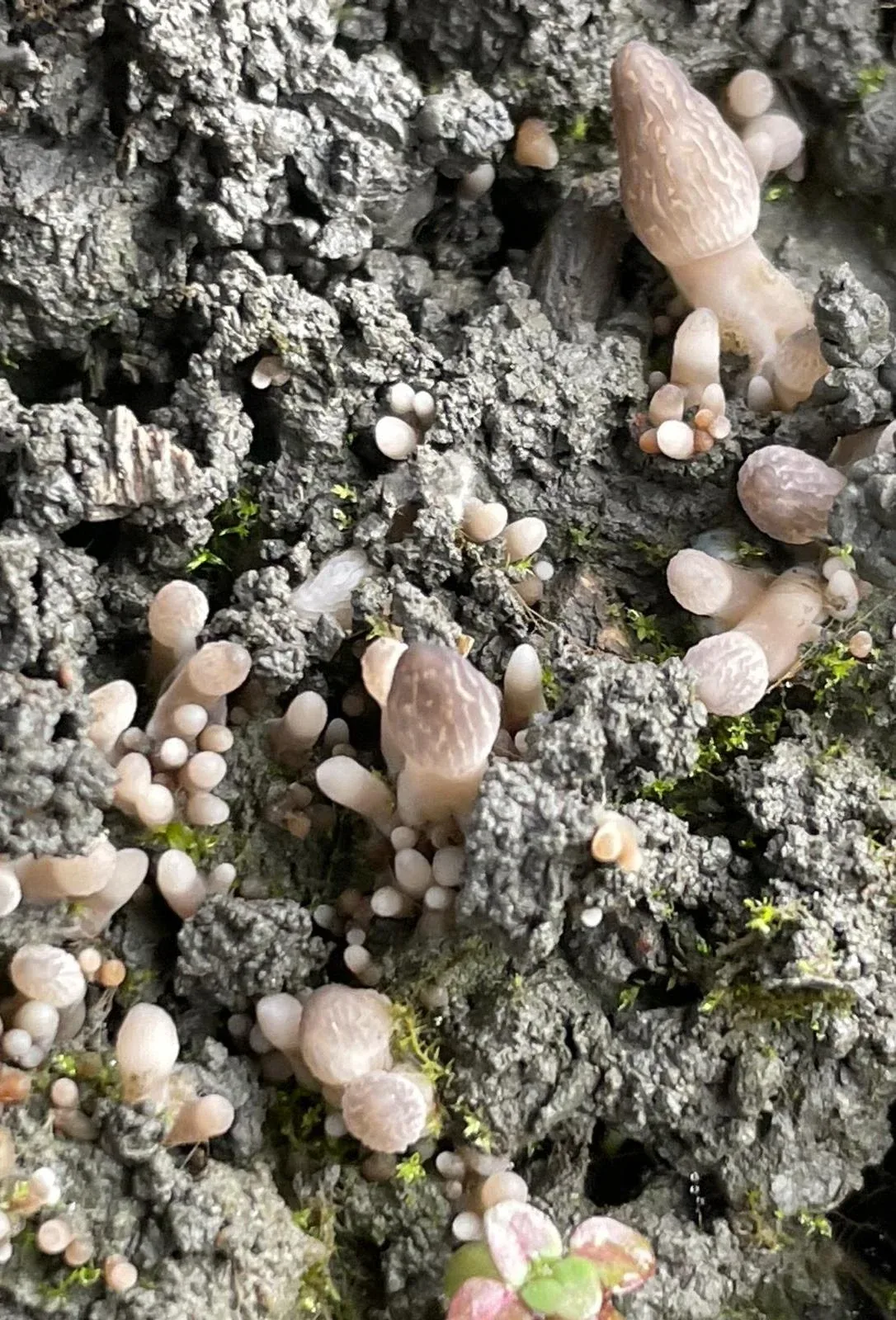
FROM PLANTING TO HARVESTING
The growth evolves with the shoots. Observe their progress, measure the ground temperature and adapt watering without startling the youngest.
Set up a simple routine: observe the same areas, compare shoots with previous days and record growing conditions. The evolution of the plot becomes easier to read when readings are regular and comparable.
Go back to the same areas. Compare their size, appearance and progression from the previous day; photograph the changes.
Raise the humidity of the air between 12 a.m. and 14 a.m., 10 cm above the ground and in shade.
Bring the measurements of the soil condition, the weather and the size of the morels together to prepare watering the next morning.
MONITORING PERFORMANCE
75–85 %air humidity at the bottom of the bed.
SIGNAL OF ASSETMENT
65 % or lessduring the day: a need for water to be prepared for the next morning.
The watering practices changes with the size of the morels. Primordia and very young shoots require humidification that preserves them; l'aspersion resumes when the morels reach 3 to 4 cm.
PRIMORDIA · VERY YOUNG morels
Prefer the aisles and capillary. For example, direct the RainSystem towards the walkways to bring water without directing jets on the young morels.
A drip is prepared before the surface crusts.
morels 3 to 4 CM
When the morels reach this stage, take back the spray in the early morning. Split the sequence inputs for about ten minutes, following the soil reaction and measured humidity.
The duration and number of sequences adjust to your installation and the plot.
Control the soil humidification and the evolution of the atmosphere under the cover before re-watering. The condition of the bed and the size of the shoots guide the adjustment.
Review water, soil reserve and RainSystemKeep the covers of fruiting to protect the morels from wind and rain, while monitoring the heat. The garden kits and the garden kits follow different rules.
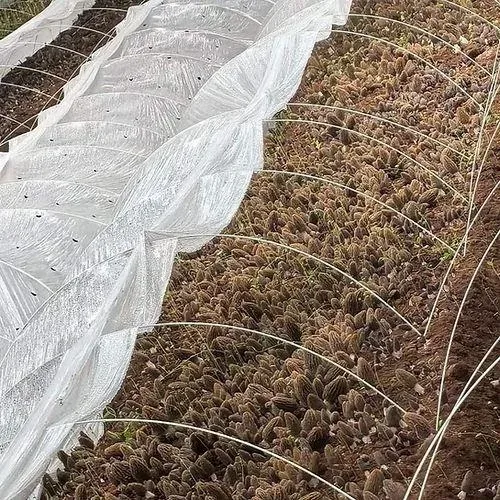
MARKET GARDENERS
It is already in place under the white textile since the first cover after sowing and the addition of bacteria. Keep it during growth. The white textile remains rolled on the sides; restore it temporarily in case of rain over 10 mm, wind or frost.
JARDINERS
Keep a single layer of black textile in the spring. Put the second layer back in case of weather or frost, then return to a layer when conditions permit.
Monitor heat and moisture under the covers, especially when the days warm.
Recover covers and their useIn the face of an injury, veil or foot that hurts, note the facts and their evolution before intervening. A supplementary file gathers photos, documented agents and first steps, to keep this chapter focused on growth driving.
GESTES IN VIDEO
Follow the growth of the morelsWatch on FacebookObserve attacks and pathogensWatch on Facebook