Start in the garden
First compare the sowing season with the months during which you can follow water and protections.
Preparing for the first season Ceramyca
FRENCH PRODUCER · ORGANIC FARMING
Produced in France, our organic morel mycelium is the starting point for a garden bed or a commercial field.
Since 2015, Ceramyca has selected and produced morel mycelium in France. Our mycelium is certified organic by ECOCERT (FR-BIO-01).
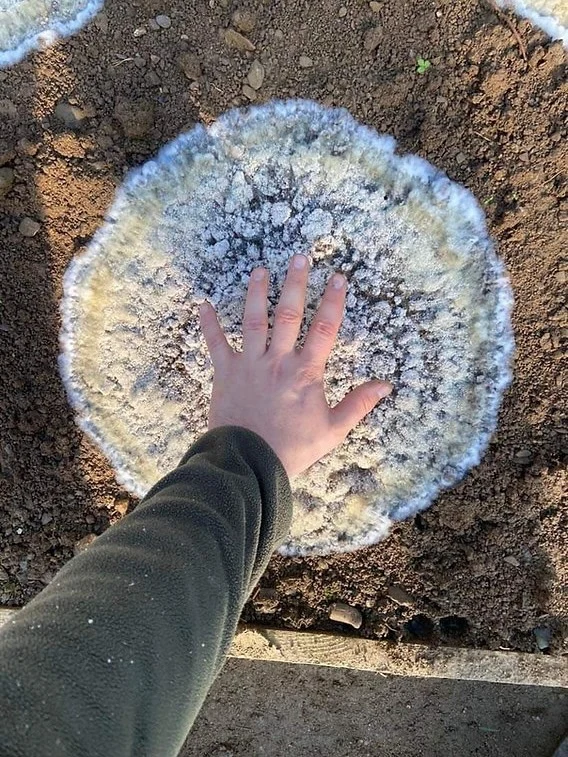
FROM OUR PRODUCTION SITE TO YOUR GROWING BEDS
Mycelium is the vegetative part of the fungus: a network of filaments colonizing its medium. The morel that the harvest is its fruiting. Success in sowing is therefore not enough; soil, nutrition, water and temperatures accompany the crop until harvest.
The morel POD gives the mycelium a starting point inside a reusable ceramic container. The Flexible greenhouse lets you shade the beds and adjust their covers as conditions change. How you use the POD and greenhouse depends on your growing site.
CHOOSE YOUR GROWING SEASON
Importuna, Sextelata, Elata, Eximia and Rufobrunnea are five distinct species of morels. Within a species, the selected strain retains its own characteristics. Here are the benchmarks to choose your culture cycle.
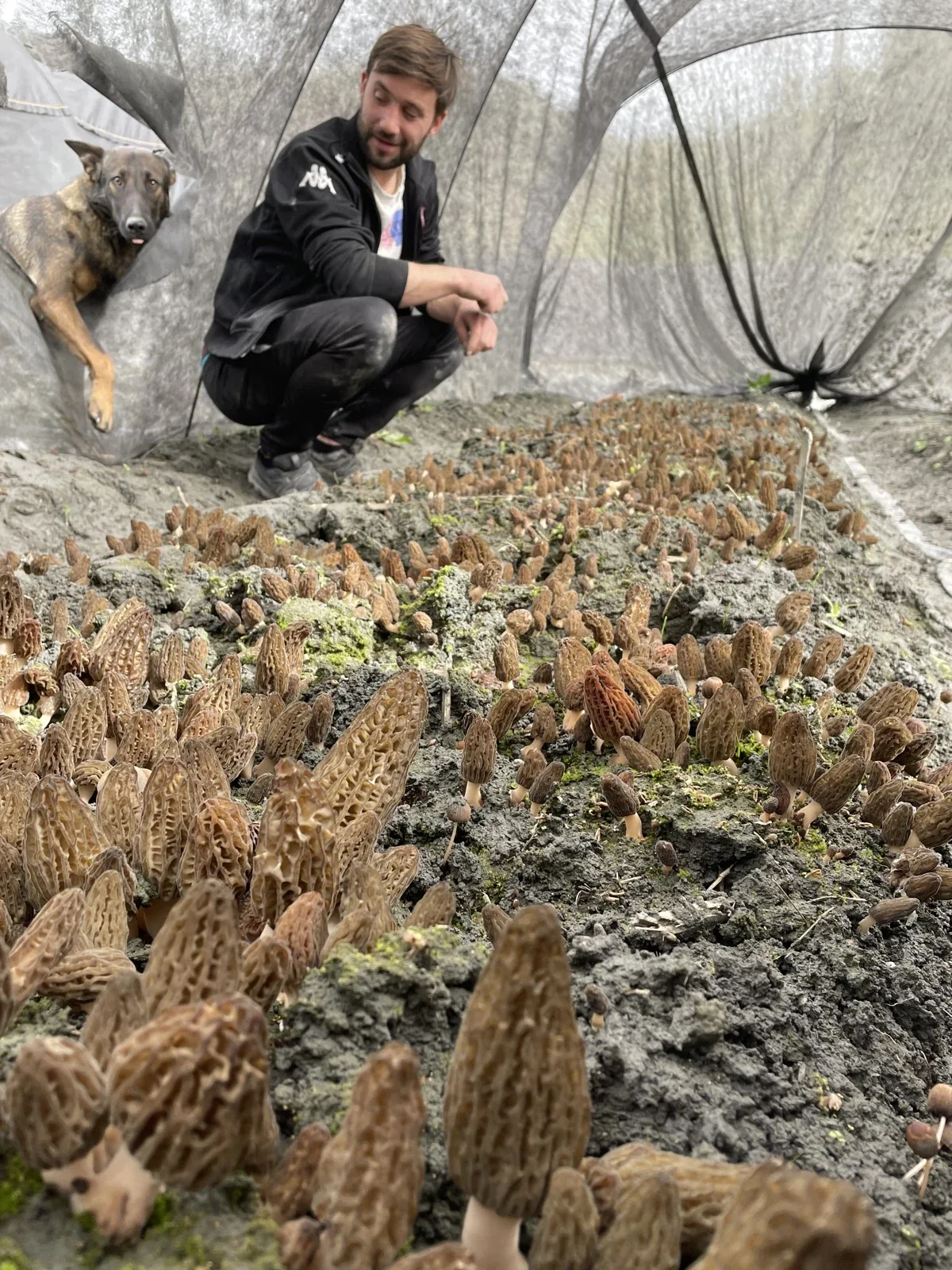 01
EARLY SPRING
A black morel that marks the return of spring. In garden beds and commercial plots, Importuna can fruit earlier than Sextelata under the Ceramyca growing approach.
Explore this species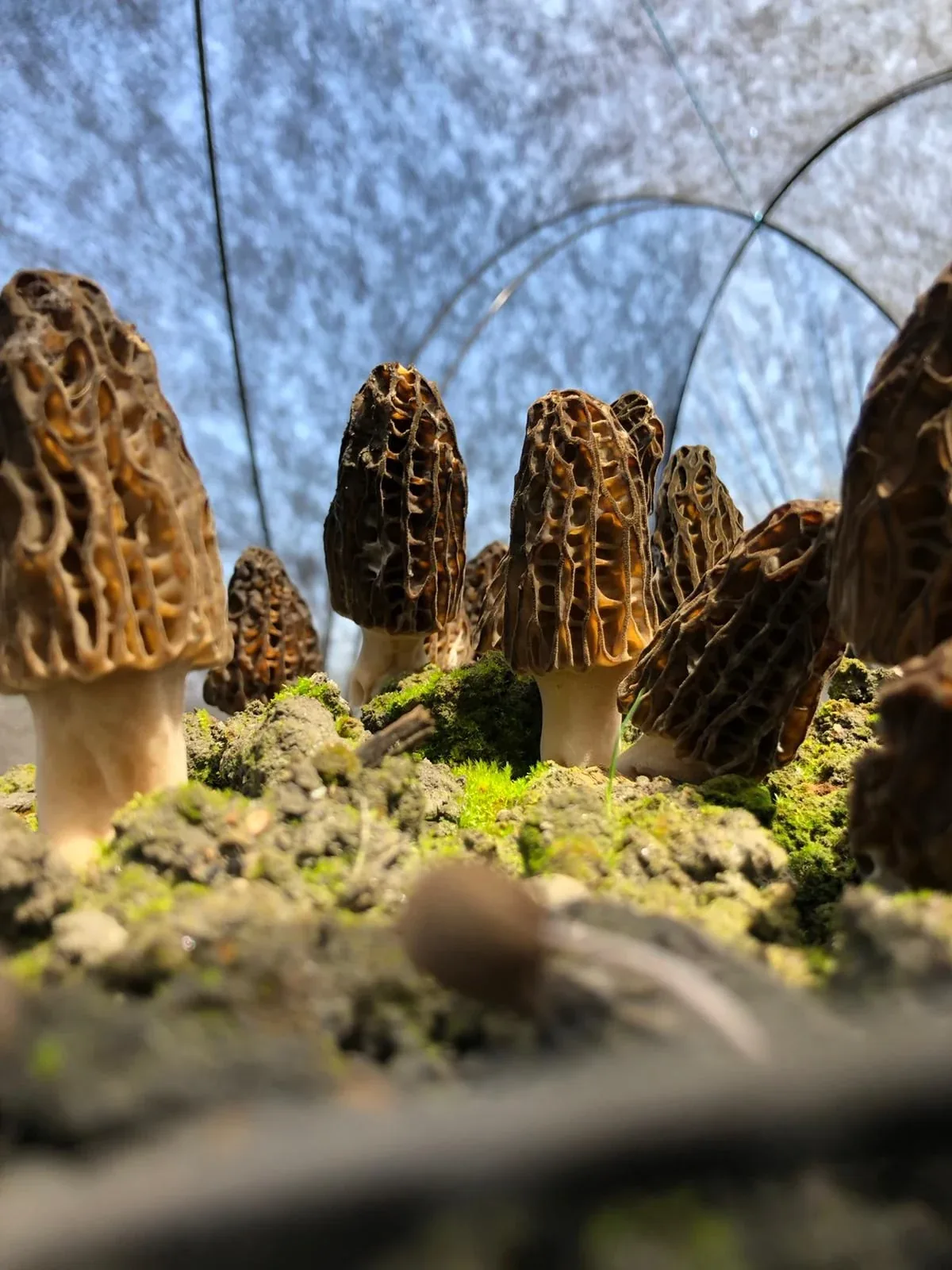 02
EXTEND THE SPRING HARVEST
This black morel suits colder areas and higher elevations. With the Ceramyca approach, it fruits later than Importuna and can help extend the spring harvest.
Explore this species 03
LATE SPRING
Tall and deeply pitted, Elata is a striking black morel. With the Ceramyca approach, our strain fruits late like Sextelata, following the same seasonal and temperature cues.
Explore this species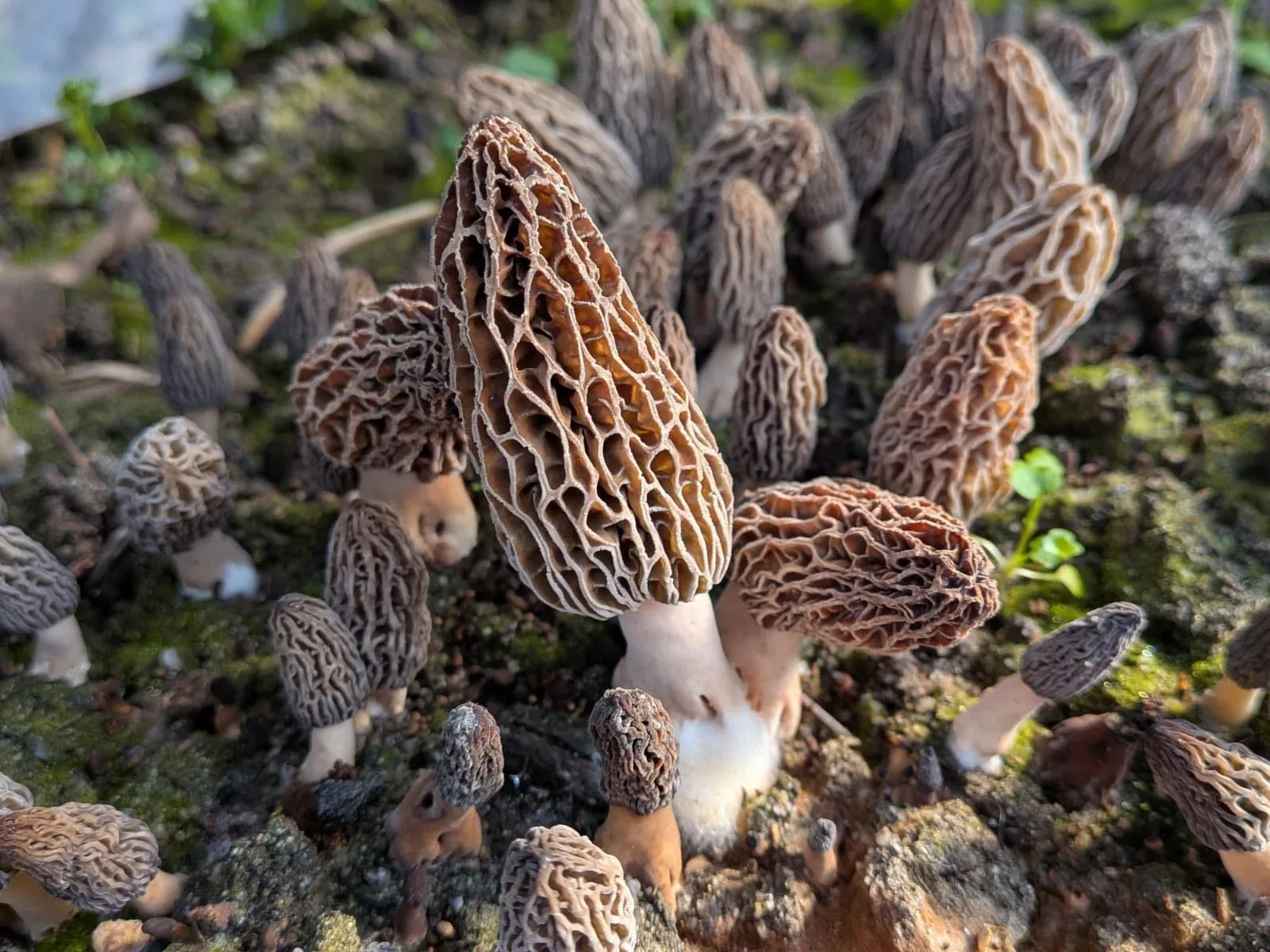 04
FALL TO SPRING
Eximia is a black morel grown on the same schedule as Importuna and Sextelata: fall sowing, winter development and a spring harvest.
Explore this species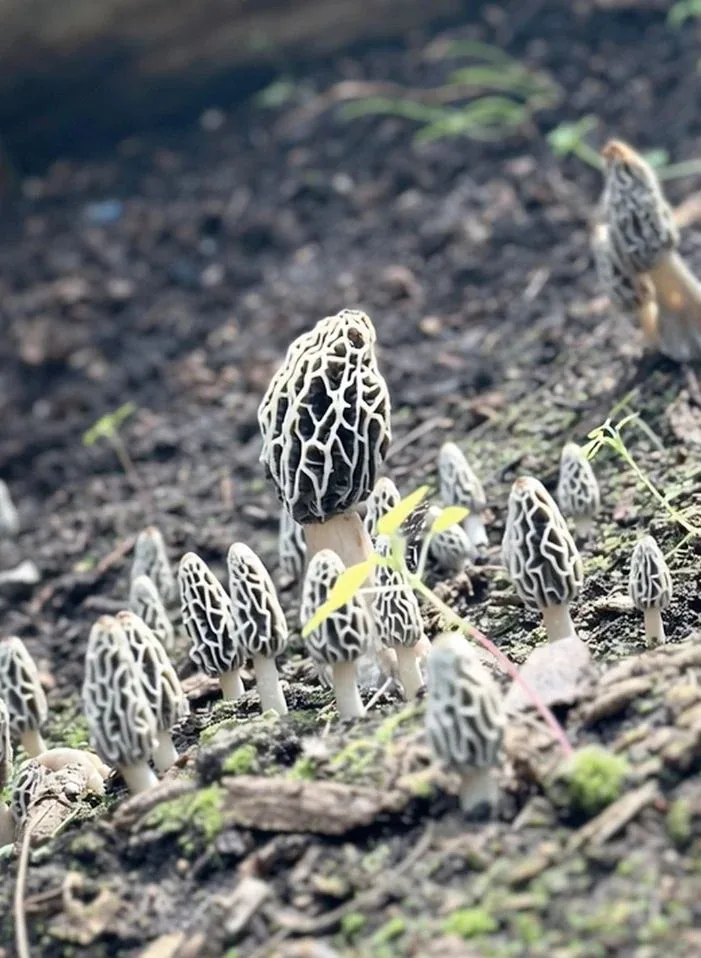 05
A WARM-SEASON MOREL
Also known as the California morel, Rufobrunnea follows a different calendar: sow at the start of summer, watch it develop through the warm months and harvest as temperatures cool in fall.
Explore this speciesCOMPARE THE SPECIES
The first choice is that of a cycle compatible with your terrain and availability. The species gives direction; the strain, soil and conduct do the rest.
On a small screen, drag the table to browse through the five species.
| Your landmarks | Importuna | Sextelata | Elata | Eximia | Rufobrunnea |
|---|---|---|---|---|---|
| Growing cycle | Fall → spring | Fall → spring | Fall → spring | Fall → spring | Summer → Autumn |
| sowing period | Autumn, temperatures down | Autumn, temperatures down | Autumn, temperatures down | Autumn, temperatures down | First day of summer |
| Harvest sought | Spring, before Sextelata with comparable driving | Spring, later than Importuna | Spring, late as Sextelata | Spring, after winter cycle | Fall cooling |
| Climate and settlement | Winter growth and an early start in spring | Worth considering in colder areas and at higher elevations | Consider how quickly your soil warms in spring | Same conditions as Importuna and Sextelata | A summer crop that needs close attention to heat and moisture |
| sowing temperature | 18°C down, tunneled at the hottest time of the day | 18°C down, tunneled at the hottest time of the day | 18°C down, tunneled at the hottest time of the day | 18°C down, tunneled at the hottest time of the day | Seasonal benchmark: first day of summer |
| Temperature at harvest | Beginning of harvest at 6–7 °C in soil | Beginning of harvest at 8–9 °C in soil | Beginning of harvest at 8–9 °C in soil, as Sextelata | Beginning of harvest at 6–7 °C in soil, as Importuna | At fall cooling, to follow on the plot |
| Characteristic | Conical hat, vertical alveoles and regular transverse ridges. | Conical silhouette, light foot and crests that go in the middle of ripening. | Slender hat, deep cells and marked longitudinal ribs. | Cylindrical to conical hat, light brown to dark brown; irregular transverse ribs and hollow white to grey foot. | Young pale ridges and dark alveoles; possible red colouring. |
| Point of vigilance | Watch for the first morels and be ready for a late cold snap. | Watch for heat buildup under cover near the end of the season. | Track soil temperature and keep the bed moist toward the end of the season. | As with Importuna and Sextelata, monitor moisture, airflow and warming soil. | Keep the bed moist while the mycelium establishes itself, and check for insects throughout summer. |
| Choose a format | Kits, recharges and PODs PRO | Kits, recharges and PODs PRO | Contact us for elata | Consult us for eximia | Kits, recharges and PODs PRO |
For Importuna, Sextelata, Elata and Eximia, the 18 °C at sowing are measured under tunnel at the hottest time of the day, in a cooling trend. The 6–7 °C of Importuna and Eximia, and the 8–9 °C of Sextelata and Elata, are soil at the beginning of the harvest. Eximia produces at the same soil temperatures as Importuna. These markers accompany the observation of the living.
First compare the sowing season with the months during which you can follow water and protections.
Preparing for the first seasonImportuna and Sextelata offer two precocity landmarks. Separate beds facilitate the tracking of each species.
Arrange calendarRufobrunnea sows on the first day of summer, follows during the warm season and gets harvested in autumn cooling.
Understanding this cycleKITS, SHELTERS AND COMMERCIAL GROWING
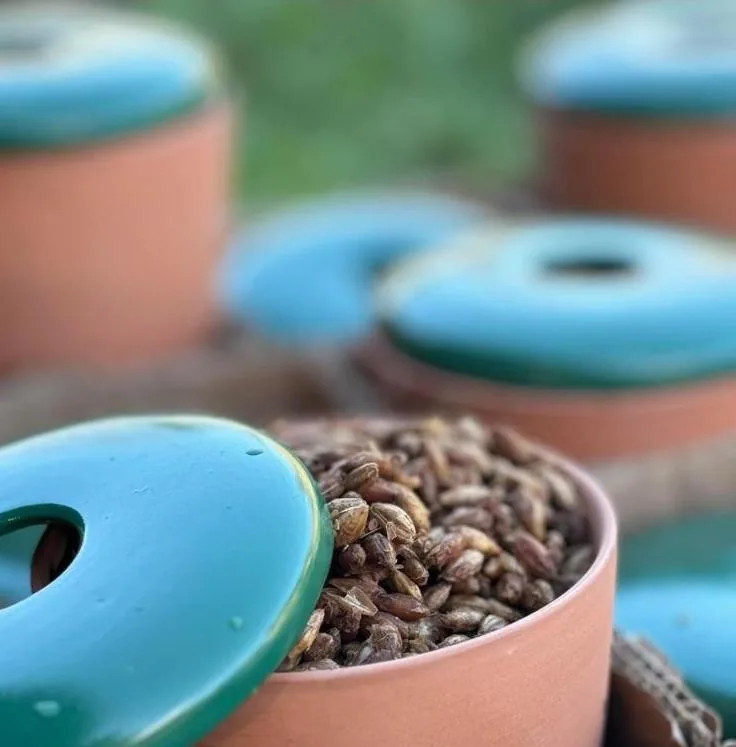
YOUR FIRST GARDEN SEASON
organic mycelium and three PODs to start on a small surface.
Discover this solution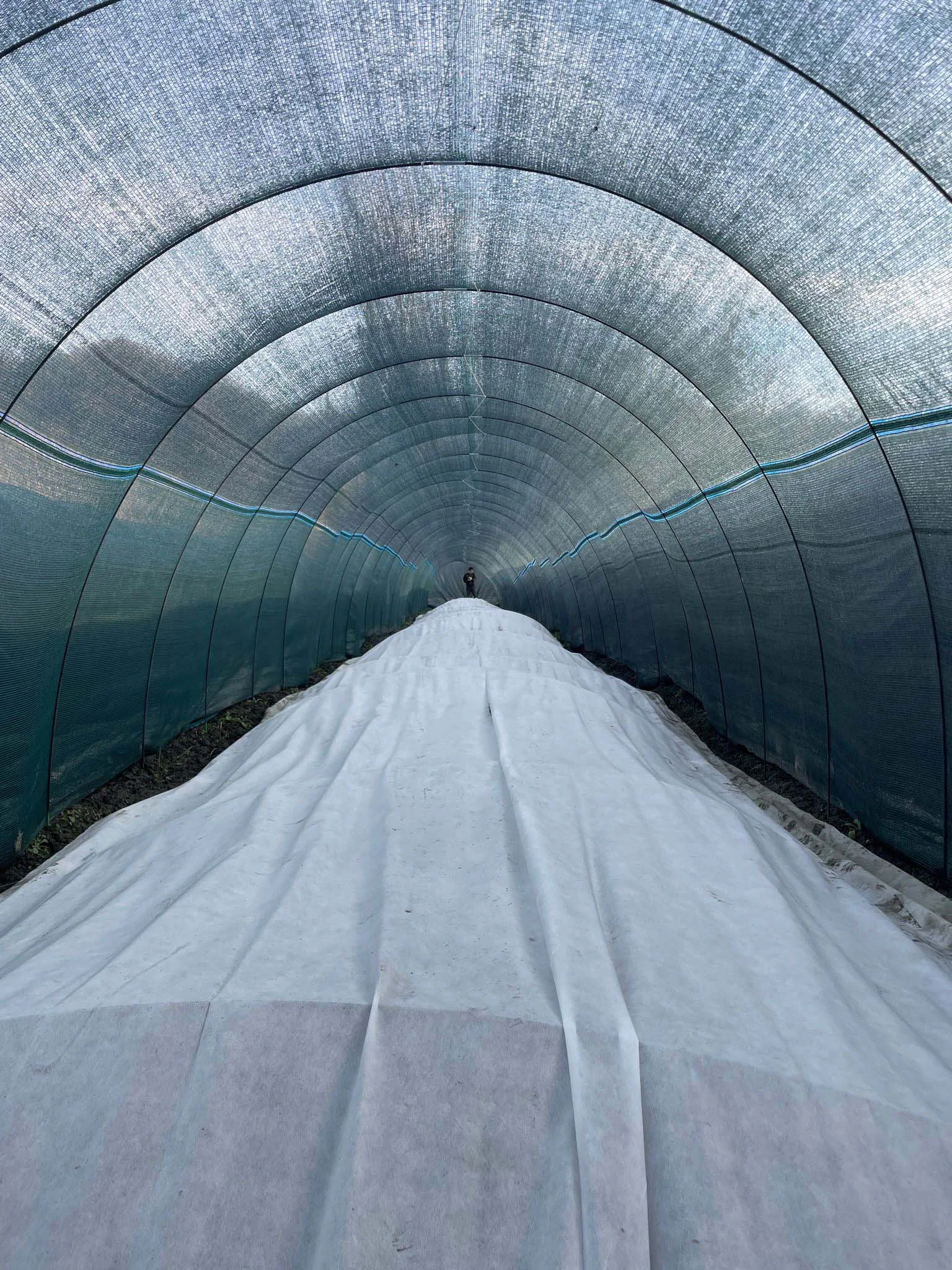
SETTING UP THE SHELTER
Manage shade and weather protection with the Flexible greenhouse.
Discover this solution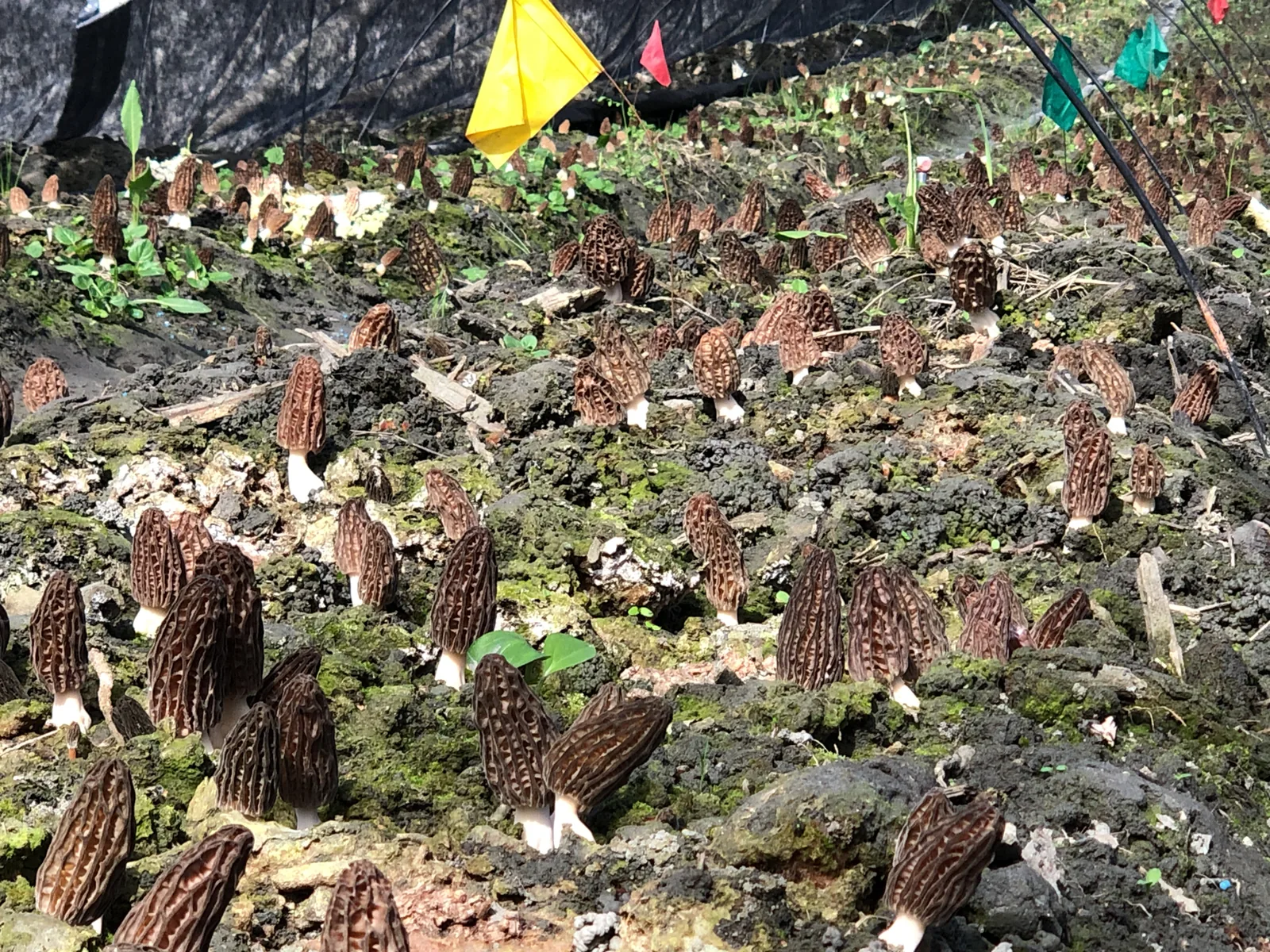
FIELD GROWING
A solution with PODs PRO and nutrition, to size according to your location.
Discover this solutionYou're getting started? Compare kits of 3, 6 or 12 PODs, then prepare your first crop in the garden. Are you already equipped? Choose a mycelium recharge for your PODs.

RECEIVE AT GOOD TIME
Our lab produces mycelium all year round. Book your production and prepare its reception according to the period of sowing: in autumn for Importuna, Sextelata and Eximia; on the first day of summer for Rufobrunnea.
requires special attention upon receipt. Anticipate preparing your plot and follow the conservation instructions.
Receipt and conservation of mycelium