01A spectacular silhouette
In this photo of cultivated Elata, the long cap has deep pits outlined by prominent ridges. A pale stem adds to its slender silhouette. Watching these features change can help you follow the mushroom as it develops and matures.
Shape and color change as morels mature and growing conditions vary. Appearance alone cannot reliably identify the species. Keep the strain name and batch number with your growing records.
02The history behind the name Elata
Fries published the name Morchella elata in 1822. It belongs to the black morel group, section Distantes of the genus Morchella. Genetic studies have shown that similar-looking morels can belong to different lineages.
A 2015 revision by Richard and colleagues found that more work is needed to establish exactly which morels the name M. elata applies to. The botanical history and the growing notes here serve different purposes. The late harvest described here is what Ceramyca observes with its own strain.
03A late-season morel, like Sextelata
Ceramyca’s Elata strain follows the same growing schedule as Sextelata. Plant in fall when the daytime high inside the tunnel drops to 18°C and continues to trend downward. The mycelium establishes itself and develops through winter before fruiting in spring.
In spring, harvest begins when the soil reaches about 8–9°C. For our strain, this is a cue to check the condition of the crop, the moisture and the local weather. Measure the soil itself. Air temperature gives a different reading.
04As temperatures rise
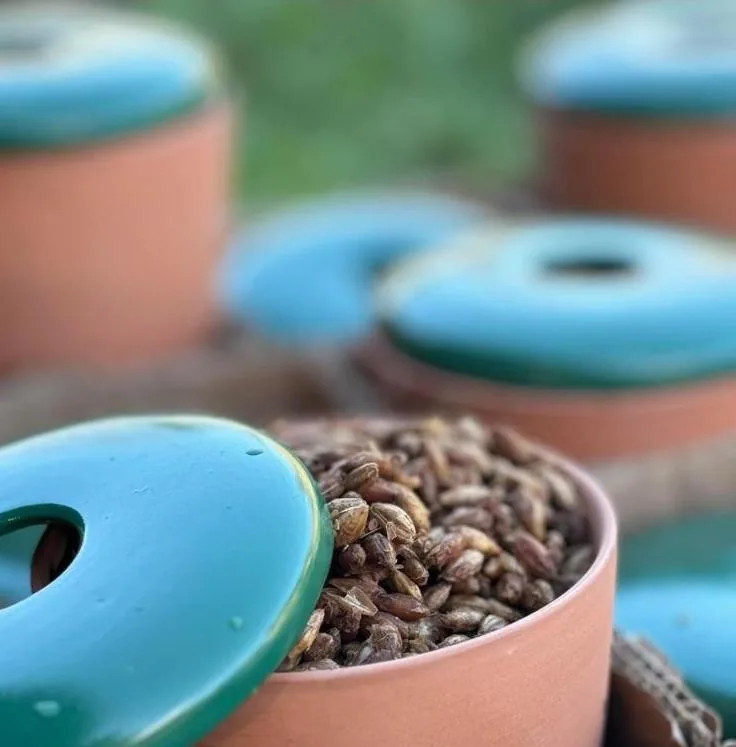
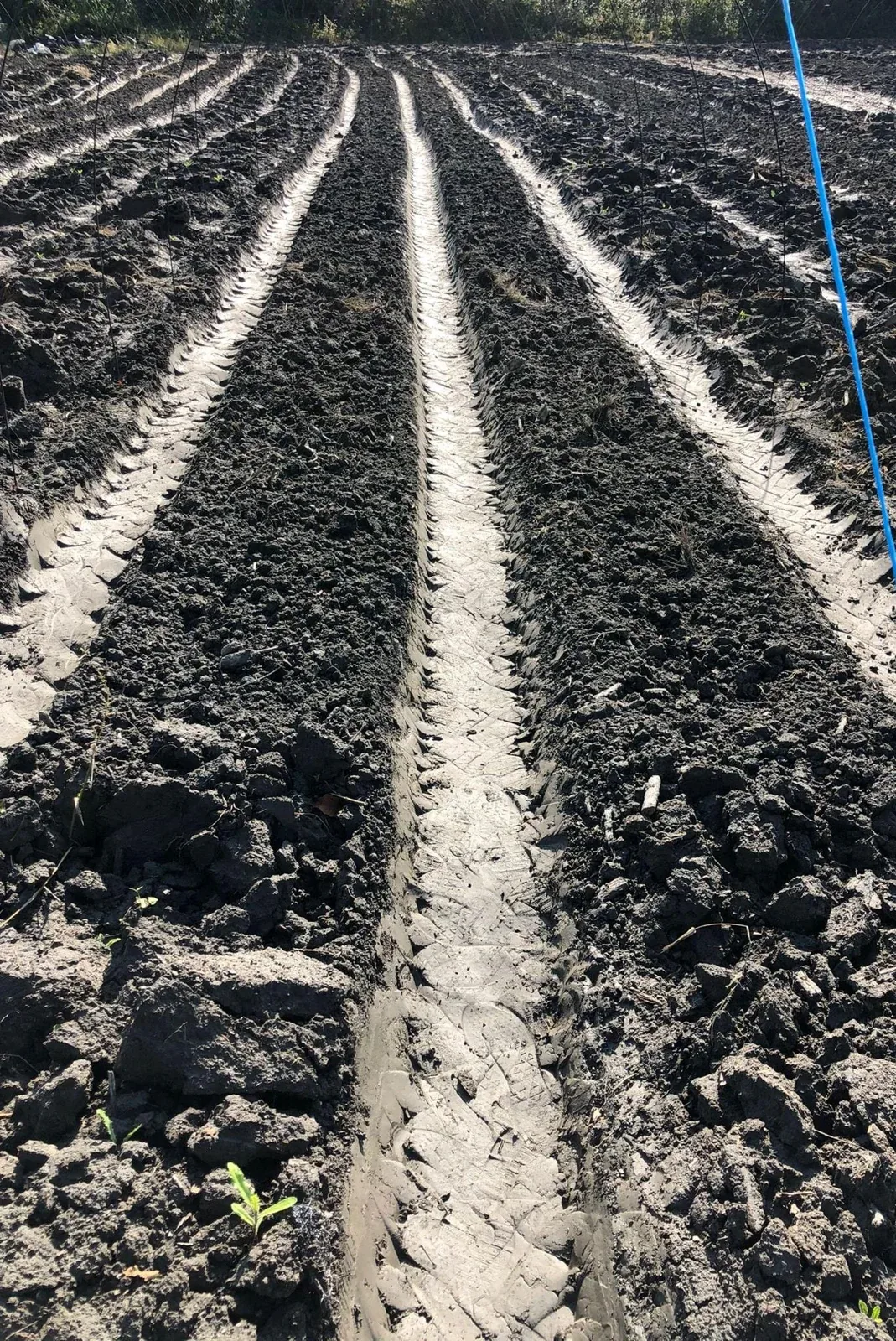
Prepare the shelter, irrigation and soil before the spawn arrives. During incubation, watch the mycelium spread and connect the nutrient bags to the PODs PRO when the mycelium is ready.
As fruiting approaches, check soil temperature regularly and adjust the covers. In a late-season crop, hot days can build up under the tunnel. Watch airflow, shade and moisture together. Label the beds so you can compare your observations across seasons.