01A species in its own right
Eximia is a black morel grown in soil beds. Researchers have studied it alongside Importuna and Sextelata to see how different morels interact with soil microbes and minerals.
Eximia is a species name. When choosing spawn, record both the species and the strain with your growing notes, whatever the package or POD size.
02A morel found on disturbed sites
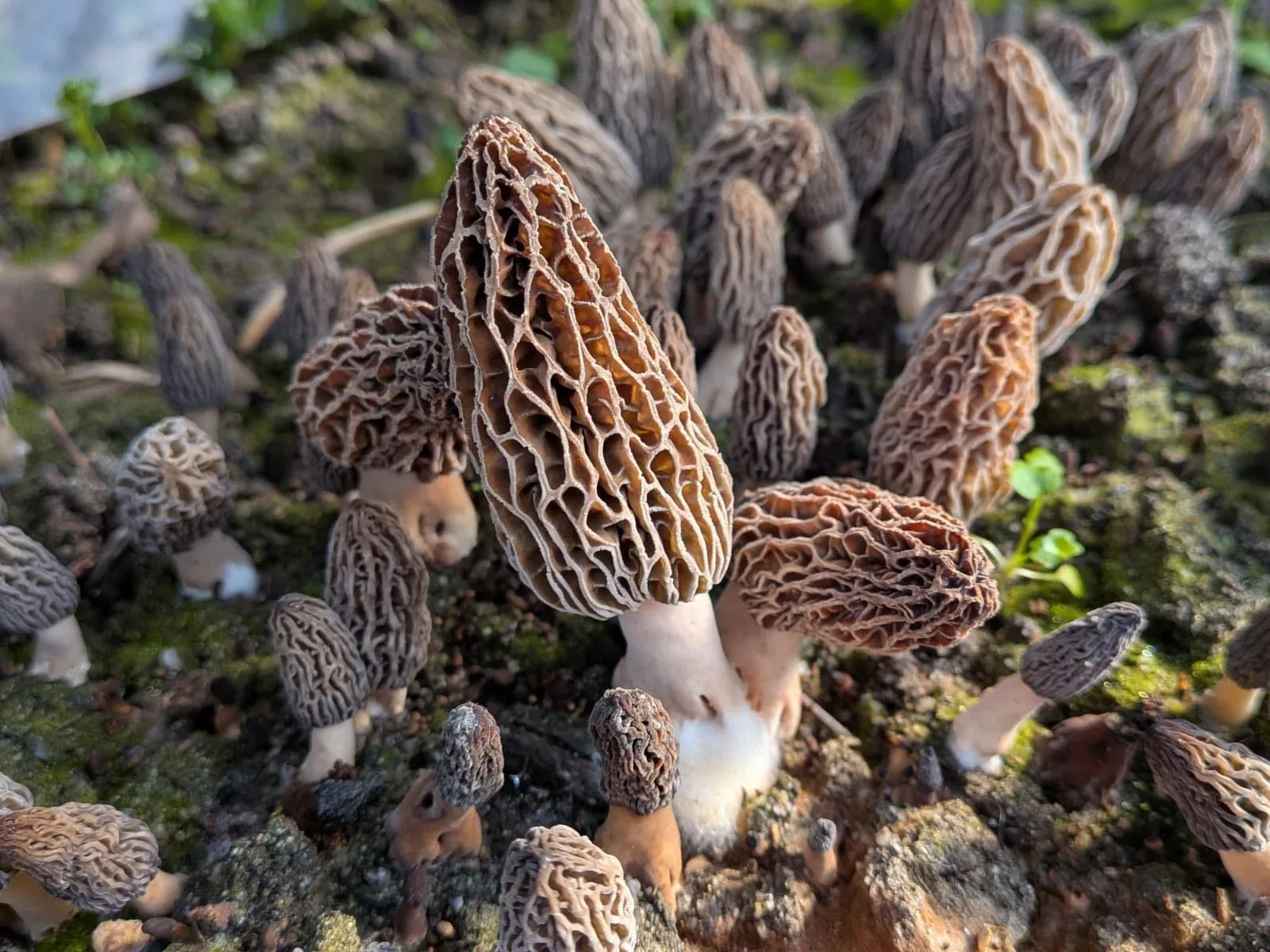
European accounts describe Eximia in spring, particularly under pines in recently burned forests in southern Europe. It belongs to the black morels, although its fertile surfaces may range from pinkish ocher to cinnamon. The name “black morel” refers to a group rather than one color at every stage.
These observations describe its wild habitat. When grown in PODs, Eximia follows the same fall-to-spring cycle as Importuna and Sextelata. You do not need to burn the bed or add ash.
03What growing trials tell us about the soil
A 2025 study comparing six cultivated species found a distinct pattern of change in the soil minerals under Eximia, particularly exchangeable calcium and nitrate nitrogen. Researchers also examined soil microbial communities, giving us field measurements of how this morel interacts with soil.
These findings don’t prescribe a fertilizer dose. Check your plot’s history, previous amendments, drainage and, if necessary, a soil test before preparing the bed. A single experiment cannot determine what every site needs.
04A slender cap with irregular ridges
Eximia has a cylindrical to conical cap that ranges from light to dark brown, sometimes shading into ocher or cinnamon. Its cross-ridges are irregular compared with Importuna’s more even, ladder-like pattern. The hollow stem is off-white to gray. Appearance changes with age and growing conditions.
Photograph the same spot at several stages and keep the batch label. Knowing which crop the photos came from makes comparisons much more useful.
05The same growing season and care
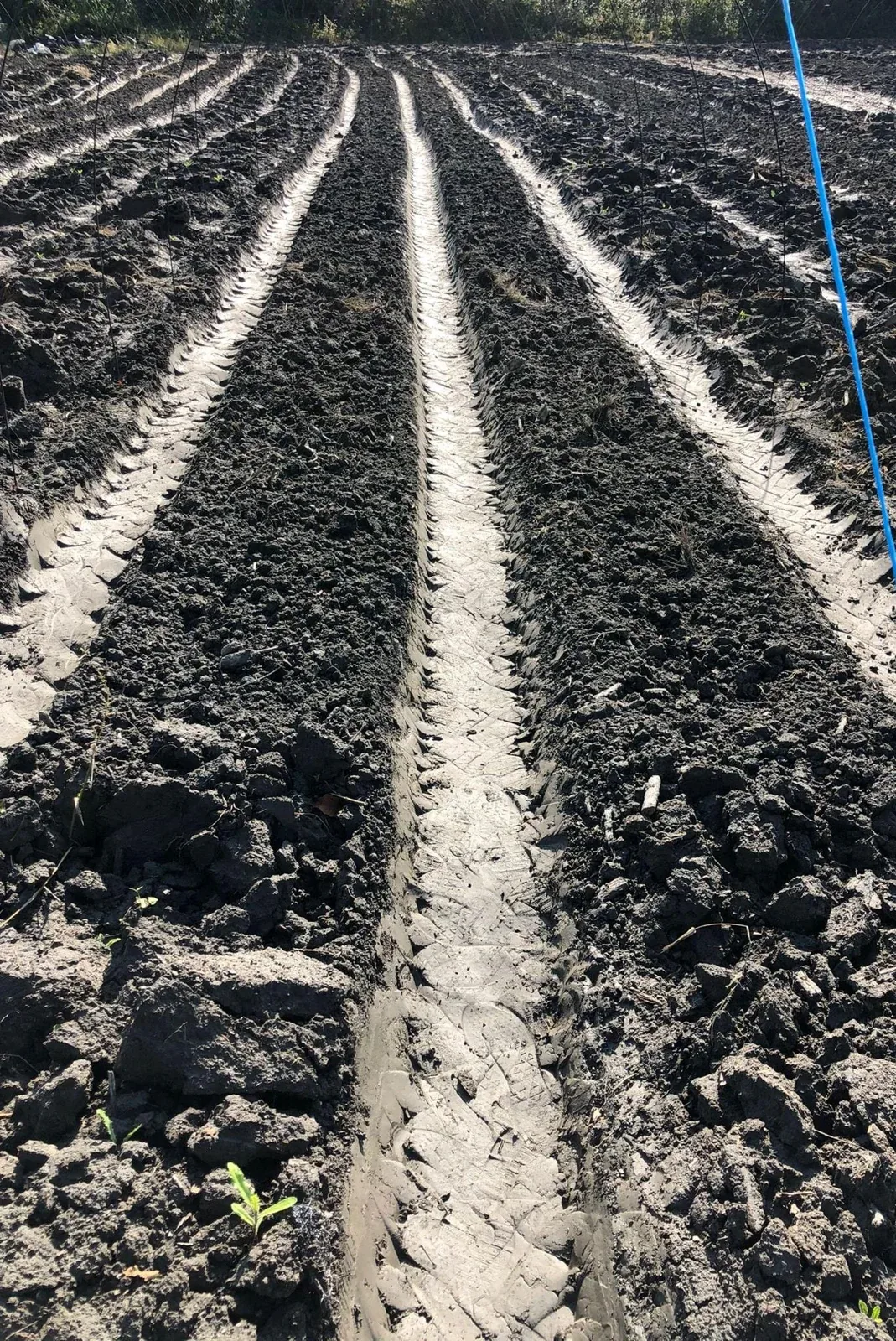
Grow Eximia on the same schedule as Importuna and Sextelata. Prepare the bed and shelter before fall planting. Plant when the air inside the tunnel cools to 18°C and continues to fall, measured at the warmest time of day. Through winter, monitor the mycelium as it grows, takes up nutrients and builds reserves.
In spring, Eximia first emerges when the soil reaches 6–7°C, as it does for Importuna. Watch for warming soil and monitor moisture. Manage shade, irrigation and airflow as you would for Importuna or Sextelata. Keep a labeled patch for each batch.