Growing morels and sharing what we learn. Why the POD?

EXTEND THE SPRING HARVEST

Morchella
sextelata

A season that continues.

This black morel suits colder areas and higher elevations. With the Ceramyca approach, it fruits later than Importuna and can help extend the spring harvest.

The French 3-POD kit includes a mini greenhouse.

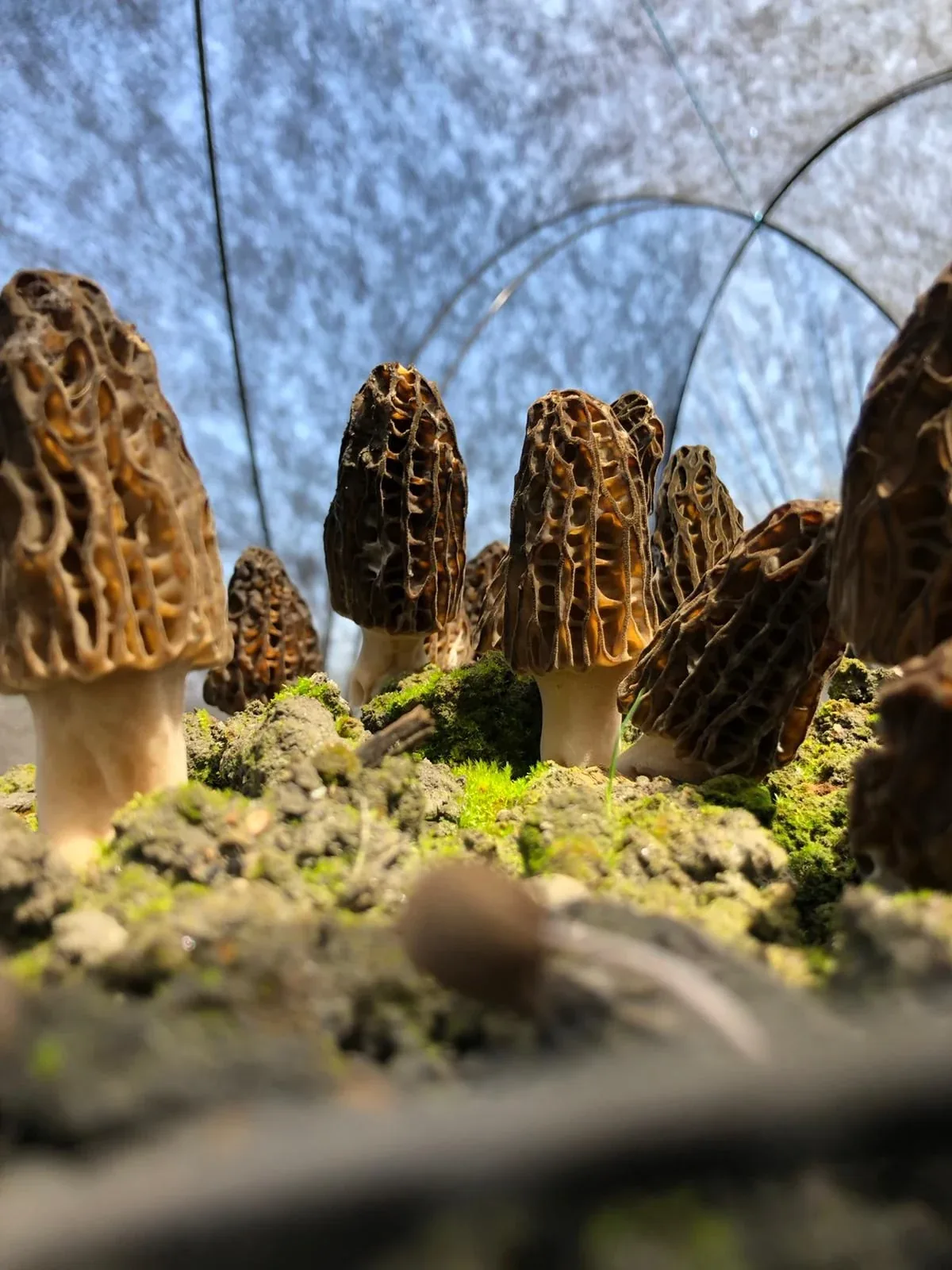
Morchella sextelata growing under cover, photographed at ground level.
Growing seasonFall → spring
Site conditionsWorth considering in colder areas and at higher elevations
What to watchWatch for heat buildup under cover near the end of the season.
01

A distinct species of black morel

Sextelata belongs to the black morels. Wild populations have been recorded in burned conifer forests in western North America. Researchers have also studied its production in soil beds.

The cap is usually conical, with ridges that darken as it matures. Several black morels look so similar that a photograph cannot reliably distinguish them. The identity of the strain is more informative than any single color.

02

DNA can distinguish species that look alike

Sextelata and related black morels such as Septimelata are hard to tell apart by eye. Researchers use DNA to distinguish them. In 2019, researchers sequenced a cultivated Sextelata strain to produce a reference genome and compared it with those of other morels, including Importuna and Eximia.

Keep a record of the supplier, species and batch number. A broader cap or darker color alone cannot tell you that two harvests belong to different species. Date your photos and note the mushrooms’ growth stage.

03

Yield depends on the strain and the site

A 2025 trial in China grew six morel species in the same sheltered setup. Sextelata produced the highest yield in that trial. Researchers also found differences among species in how soil fungal communities and mineral levels changed.

Those results apply to the strains and conditions in the trial. To choose for your own site, use the Ceramyca calendar alongside measurements from your beds. One season on a small plot can help you plan how much to grow the next year.

04

Prepare on time for a later harvest

Like Importuna and Eximia, plant Sextelata in fall when the air inside the tunnel has cooled to 18°C and continues to trend down, measured at the warmest time of day. In spring, harvest starts around a soil temperature of 8–9°C, later than the 6–7°C cue for Importuna.

Prepare the shelter and soil before your spawn arrives. Check temperatures under the covers in spring. Even on a cold site, a closed tunnel can heat up on a sunny day.

05

Choose for the conditions in your own bed

Consider elevation, exposure and how quickly the soil warms. Even two plots in the same village can have different microclimates. Take measurements in the bed itself as well as checking the local forecast.

To compare Sextelata with Importuna, label separate beds and use the same measuring methods for both. The timing you observe at your site is more useful than a predicted harvest date.
FROM BIOLOGY TO GROWING PRACTICE

What to watch
in your growing bed.

01

Identify beds

Label beds with species, batch and planting date. Keep Importuna and Sextelata separate so you can compare when growth resumes.

Organize the implantation
02

Take measurements where they count

At planting, measure the air inside the tunnel as it cools to 18°C. At the start of harvest, measure the soil, which should be around 8–9°C.

Monitoring temperatures
03

As temperatures rise

Check how warm it gets under the cover and inspect the soil surface, even at high elevations.

Adjust protections

FROM PLANTING TO FRUITING

Three stages
to follow.

01

fall

Plant in prepared soil when the air inside the tunnel falls to 18°C and is still trending down, measured at the warmest time of day.

02

winter

Monitor the mycelium as it develops and builds reserves.

03

spring

Watch for growth to resume later in spring and adjust the covers as temperatures rise.

Explore the full growing season

BEFORE YOU START

Questions
to guide your next steps.

Is Sextelata just a later-fruiting Importuna?

No. They are distinct species. The difference in harvest timing helps growers manage Ceramyca’s strains, but the species also differ biologically.

Can I grow both on the same plot?

Yes. Set up separate, clearly labeled beds so you can track each batch and compare when the first morels emerge.

Do we have to reproduce a burnt soil to grow it?

No. Wild Sextelata occurs in burned forests, but Ceramyca’s growing method uses prepared soil, PODs, a suitable nutrient source and close monitoring of the microclimate. There is no need to burn the bed.

Will Sextelata always yield more than Importuna?

Yields depend on the strain, season and growing conditions. Compare clearly labeled beds using the same measurements before expanding your growing area.

FROM SPECIES SELECTION TO PLANTING

Plan your next season
at a scale that suits you.

Start with three PODs in a garden bed or plan a larger plot with PODs PRO. Choose the format that suits your space and the time you can spend tending it.

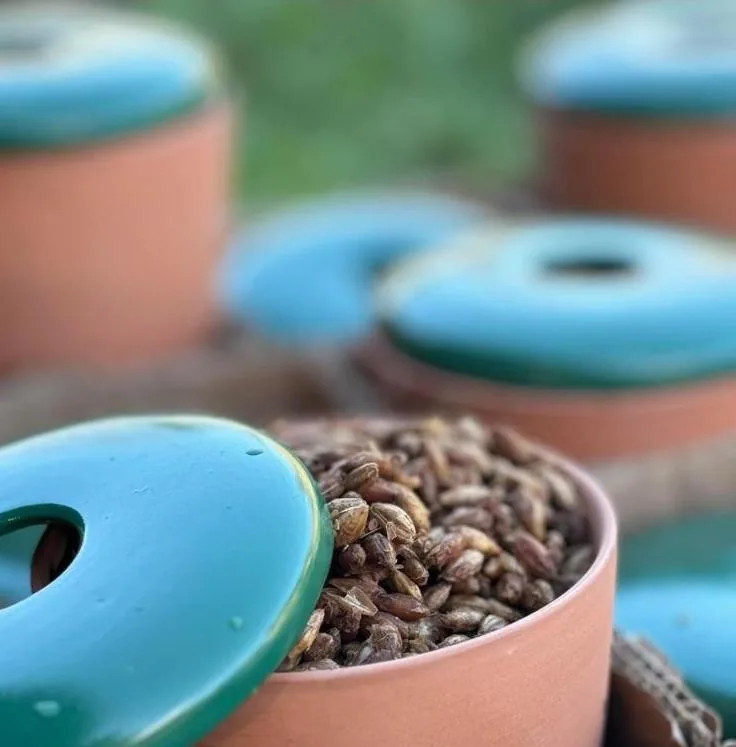
Ceramic gardener PODs with their myceliumMINI-GREENHOUSE INCLUDED

YOUR FIRST GARDEN BED

The 3-POD kit
with a mini greenhouse.

Start with a small bed and learn how to care for morels through a full growing season.

  • Three reusable garden PODs with organic morel spawn.
  • Each garden POD comes with its own nutrients.
  • Includes a collapsible mini hoop tunnel.
Choose the 3 PODs kit
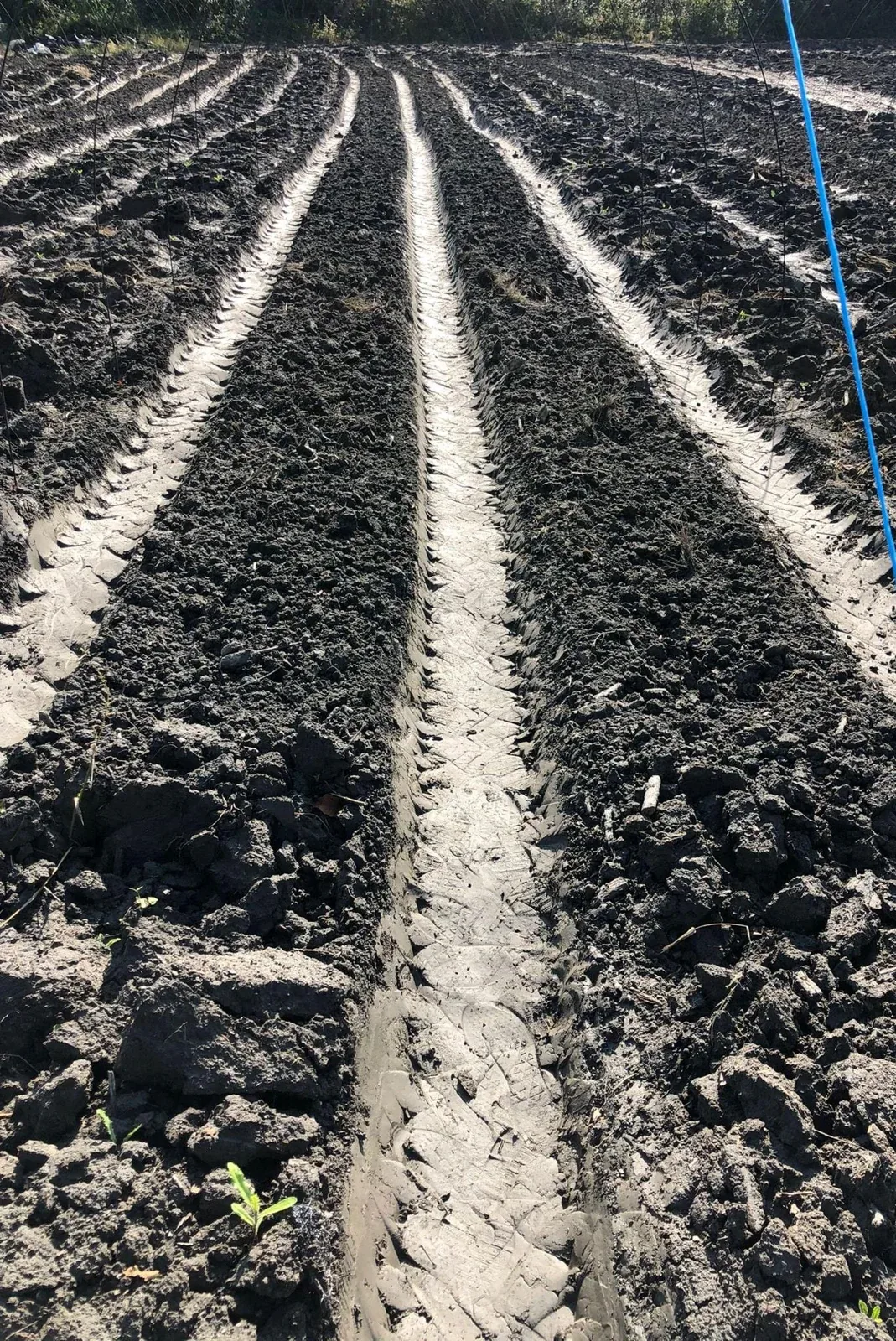
growing beds prepared for a plot of morelsFOR LARGER GROWING AREAS

PLAN YOUR GROWING AREA

PODs PRO,
from soil to harvest.

Lay out multiple beds and plan the nutrients, irrigation and protection for your whole plot.

  • Reusable PODs PRO with organic morel spawn.
  • Separate nutrient bags connect to the growing mycelium.
  • Choose quantities and equipment to suit your growing area.
Choose the PRO PODs

We confirm the species and its availability when you order. Compare garden PODs and PODs PRO.

START WITH YOUR SITE

Your climate.
Your project.

Tell us your growing area, elevation, exposure and planned planting season. We can use those details to help you plan.

Talk to us about your growing plans