Growing morels and sharing what we learn. Why the POD?

A WARM-SEASON MOREL

Morchella
rufobrunnea

A summer start.

Also known as the California morel, Rufobrunnea follows a different calendar: sow at the start of summer, watch it develop through the warm months and harvest as temperatures cool in fall.

The French 3-POD kit includes a mini greenhouse.

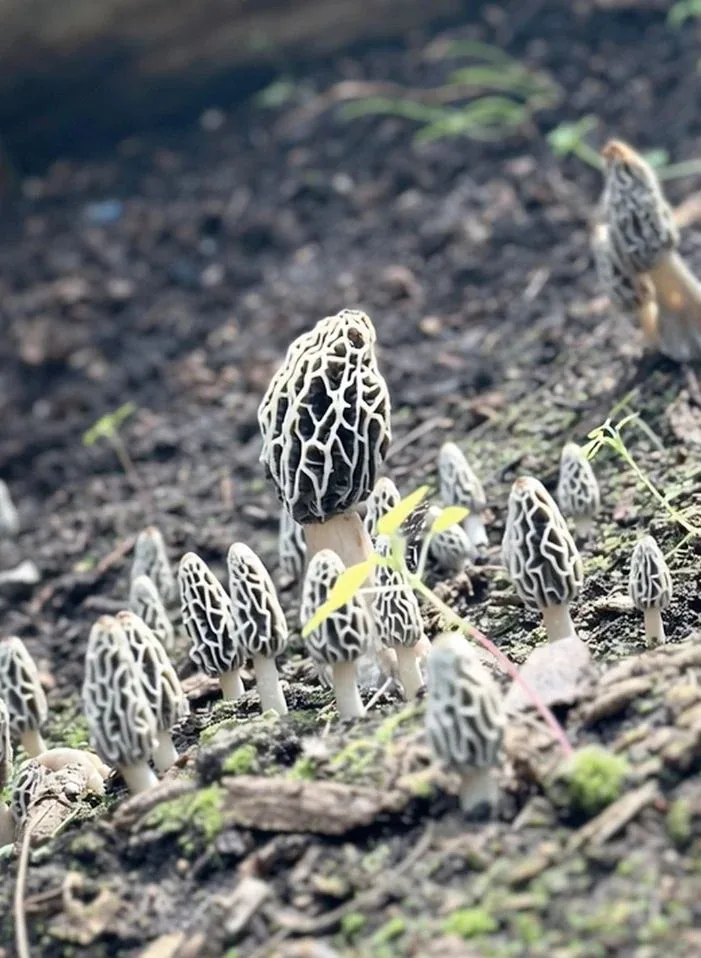
Young Morchella rufobrunnea with pale ridges and dark pits.
Growing seasonSummer → Autumn
Site conditionsA summer crop that needs close attention to heat and moisture
What to watchKeep the bed moist while the mycelium establishes itself, and check for insects throughout summer.
01

A distinctive appearance

In young Rufobrunnea, very pale ridges contrast with dark pits. The caps turn yellower as they mature and may bruise pink, orange or reddish brown where they’re handled. The species was described in Mexico and has been found in landscaped areas along the west coast of North America.

These features distinguish it from the black morels featured here. A species description alone can’t predict when a cultivated strain will fruit in your climate.

02

The mycelium builds reserves before morels appear

Controlled fruiting trials with Rufobrunnea documented several stages. The mycelium formed compact storage structures called sclerotia. Their growth resumed, early fruiting structures appeared and the morels developed.

In an experiment published in 2010, the earliest fruiting structures appeared two to four weeks after researchers watered mature sclerotia. The fungus had already completed its preparatory growth. That timing cannot be measured from the day a kit arrives. Outdoors, tend the crop through summer in preparation for a fall harvest.

03

One California name, several climates

First described in Mexico, Rufobrunnea has also been found in gardens and landscaped areas along the west coast of North America. In California and Oregon it has been recorded in winter and early spring. These local observations explain why the name “California morel” alone cannot tell you when to plant elsewhere.

For Ceramyca’s strains and growing method, start on the first day of summer and harvest as fall temperatures cool. Before choosing this species, make sure someone can monitor moisture, covers and insects throughout summer, even when the rest of the garden keeps you busy.

04

Sow in early summer, harvest in autumn

Ceramyca plants Rufobrunnea on the first day of summer. The fall planting cue for Importuna, Sextelata and Eximia, when the tunnel air cools to 18°C, does not apply. Keep the bed consistently moist during the first month. Even if an established crop can tolerate drier conditions, a new planting should not dry out.

Let temperature and moisture guide care for the rest of the season. Harvest comes as the weather cools in fall. Plan to monitor insects and protect the bed as needed.

05

Outdoors or in a controlled environment?

Researchers have grown Rufobrunnea to fruiting in a controlled soilless system. Doing so requires specific control over the substrate, water, airflow and temperature.

Success in a laboratory does not mean a kit will fruit year-round inside a home. If you plan to grow indoors, first determine what conditions you can control and select a growing method suited to them.
FROM BIOLOGY TO GROWING PRACTICE

What to watch
in your growing bed.

01

Preparing for the summer

Prepare the soil and covers before planting, and arrange for someone to check moisture when you’re away.

Prepare the bed
02

Watch the bed as it establishes

Keep moisture steady during the first month and lift the covers regularly to look for insects.

Recognizing the problems
03

What to watch in fall

Track temperatures in your own bed and watch for emerging mushrooms. The temperature cues for spring morels do not apply here.

Manage irrigation

FROM PLANTING TO FRUITING

Three stages
to follow.

01

First day of summer

Plant in a prepared bed with consistent moisture.

02

Installation

Maintain even moisture during the first month and watch for insects.

03

fall

As the weather cools toward harvest, adjust irrigation, shade and airflow.

Explore the full growing season

BEFORE YOU START

Questions
to guide your next steps.

Does “summer morel” mean it fruits in a heat wave?

No. The name refers to summer growth in contrast to crops planted in fall. The mycelium grows through summer, then the morels fruit as fall temperatures cool.

Can I grow Rufobrunnea on the same schedule as Importuna?

Some growing practices are similar, but the timing, heat management and insect pressure differ. Use the summer schedule for Rufobrunnea.

Why do young Rufobrunnea morels have pale ridges?

Pale ridges and dark pits are typical of young Rufobrunnea. The caps turn yellower with age, and handling can cause reddish bruising. Consider the mushroom’s growth stage when looking at photos.

Will a mini greenhouse let me grow morels year-round?

A mini greenhouse shelters the bed, but growers still need to regulate temperature and moisture. For this kit, plan for a summer-to-fall season and adjust the covers to suit your site.

FROM SPECIES SELECTION TO PLANTING

Plan your next season
at a scale that suits you.

Start with three PODs in a garden bed or plan a larger plot with PODs PRO. Choose the format that suits your space and the time you can spend tending it.

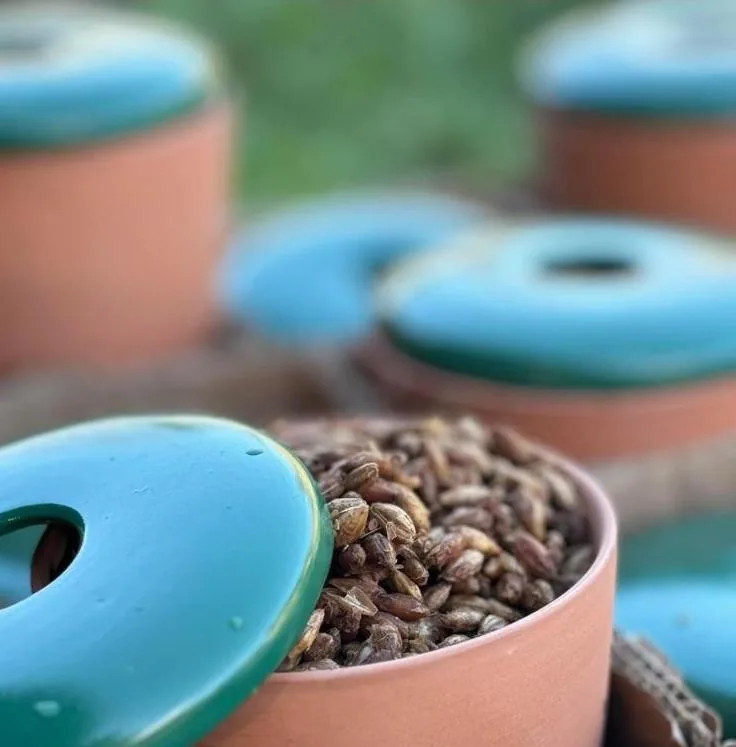
Ceramic gardener PODs with their myceliumMINI-GREENHOUSE INCLUDED

YOUR FIRST GARDEN BED

The 3-POD kit
with a mini greenhouse.

Start with a small bed and learn how to care for morels through a full growing season.

  • Three reusable garden PODs with organic morel spawn.
  • Each garden POD comes with its own nutrients.
  • Includes a collapsible mini hoop tunnel.
Choose the 3 PODs kit
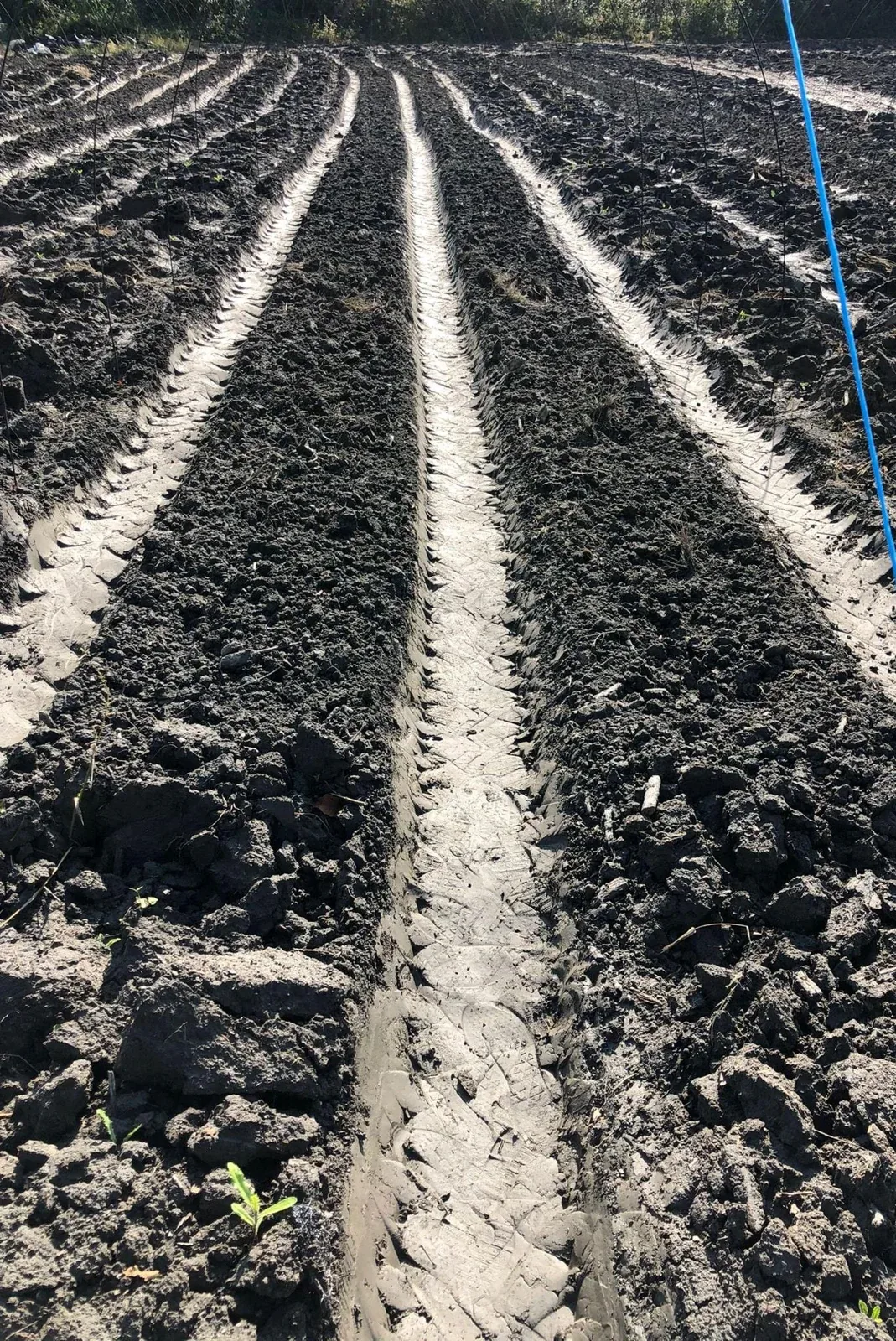
growing beds prepared for a plot of morelsFOR LARGER GROWING AREAS

PLAN YOUR GROWING AREA

PODs PRO,
from soil to harvest.

Lay out multiple beds and plan the nutrients, irrigation and protection for your whole plot.

  • Reusable PODs PRO with organic morel spawn.
  • Separate nutrient bags connect to the growing mycelium.
  • Choose quantities and equipment to suit your growing area.
Choose the PRO PODs

We confirm the species and its availability when you order. Compare garden PODs and PODs PRO.

START WITH YOUR SITE

Your climate.
Your project.

Tell us your growing area, elevation, exposure and planned planting season. We can use those details to help you plan.

Talk to us about your growing plans