You collect the sample
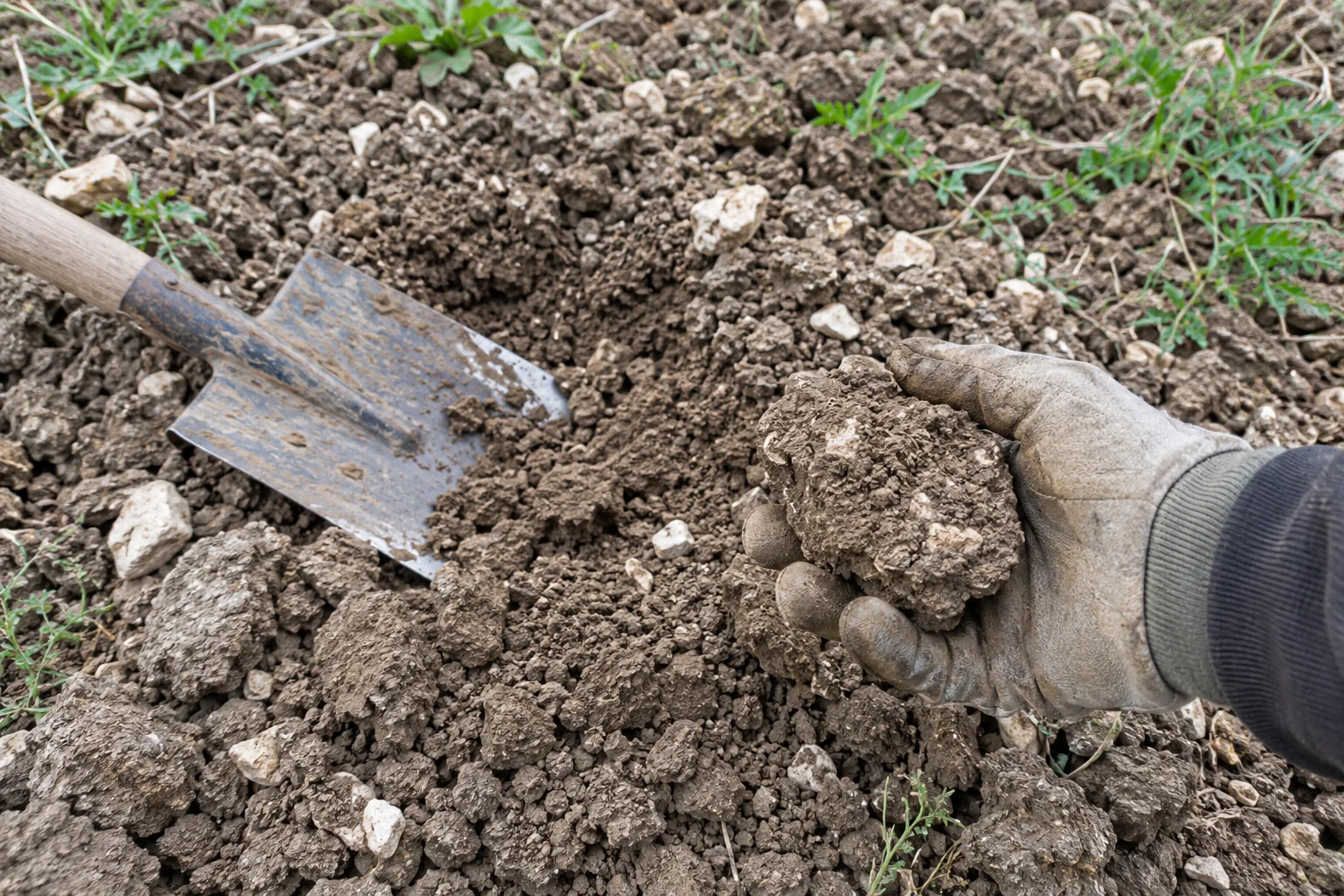
Follow the instructions supplied with your order to collect a soil sample and send it to the partner laboratory.
 Ceramyca
AGRONOMIC ANALYSIS & RECOMMENDATIONS
Find out whether your soil is suitable before planting. Ceramyca reviews your lab results and recommends next steps for your site.
Ask Ceramyca France for a quoteAfter ordering, you receive instructions for collecting your sample and shipping it to the French laboratory.
FROM SOIL SAMPLING TO RECOMMENDATIONS
Follow the instructions supplied with your order to collect a soil sample and send it to the partner laboratory.
The lab tests the soil and sends its results to Ceramyca.
You receive the lab report with our observations and recommendations for growing morels.
WHAT THE LAB TESTS
We interpret the results together. No single measurement tells the whole story of a growing site.
The laboratory measures pH in water and potassium chloride, and total and active limestone. These results help guide calcium amendments.
Total organic matter, total nitrogen and the carbon-to-nitrogen ratio help assess nutrient reserves and the balance of organic matter.
Phosphorus, potassium, magnesium, calcium and sodium: results to be interpreted together.
The surface-crusting index and risk of poor soil aeration help identify physical limitations.
CERAMYCA’S RECOMMENDATIONS
We recommend changes to soil texture, organic matter, calcium or nitrogen where appropriate. If the tests suggest that the site is unsuitable, we will tell you.
Understanding organic amendments